
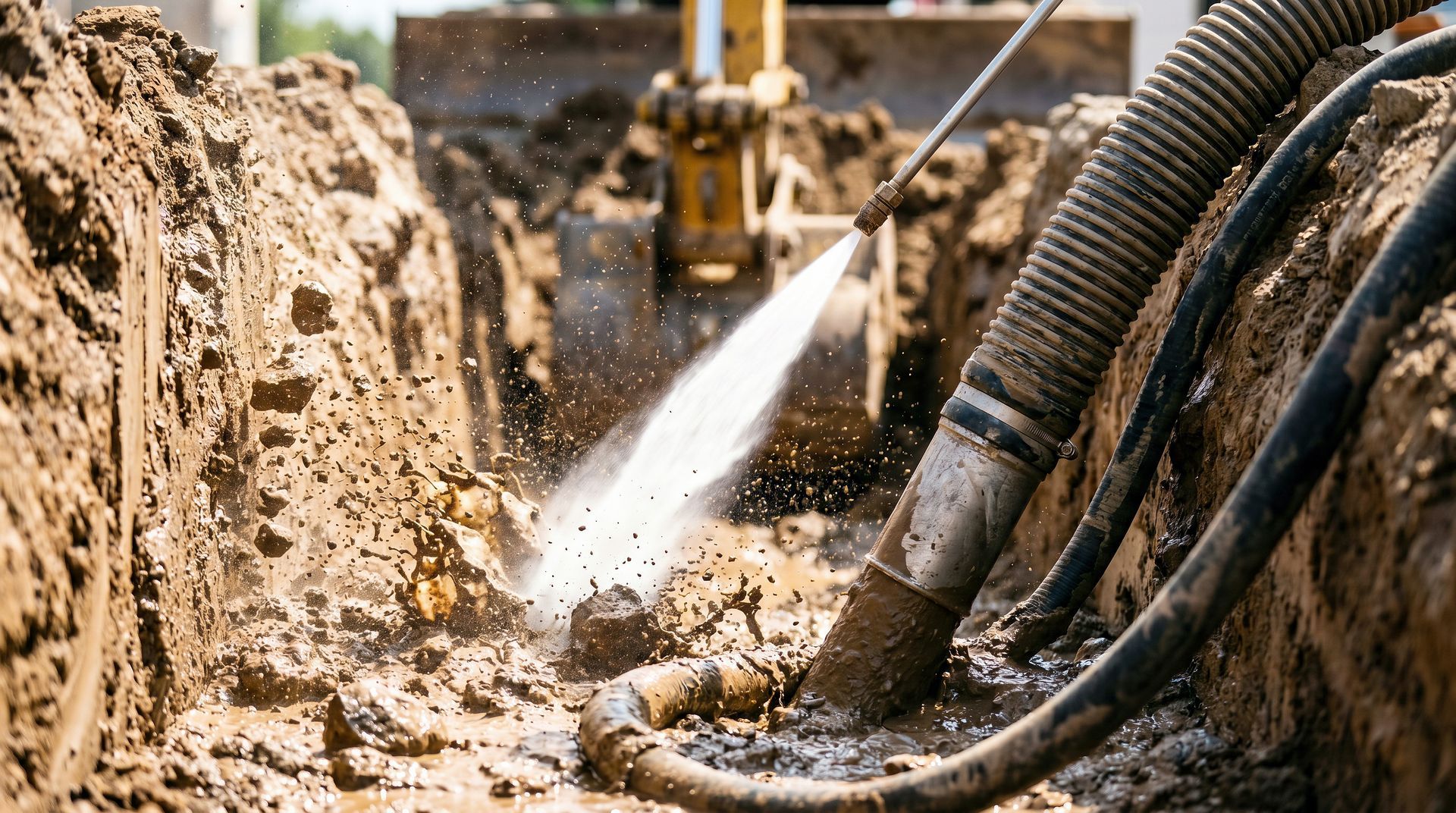
Trenching Services Explained: Uses, Methods, and Safety
The body content of your post goes here. To edit this text, click on it and delete this default text and start typing your own or paste your own from a different source.
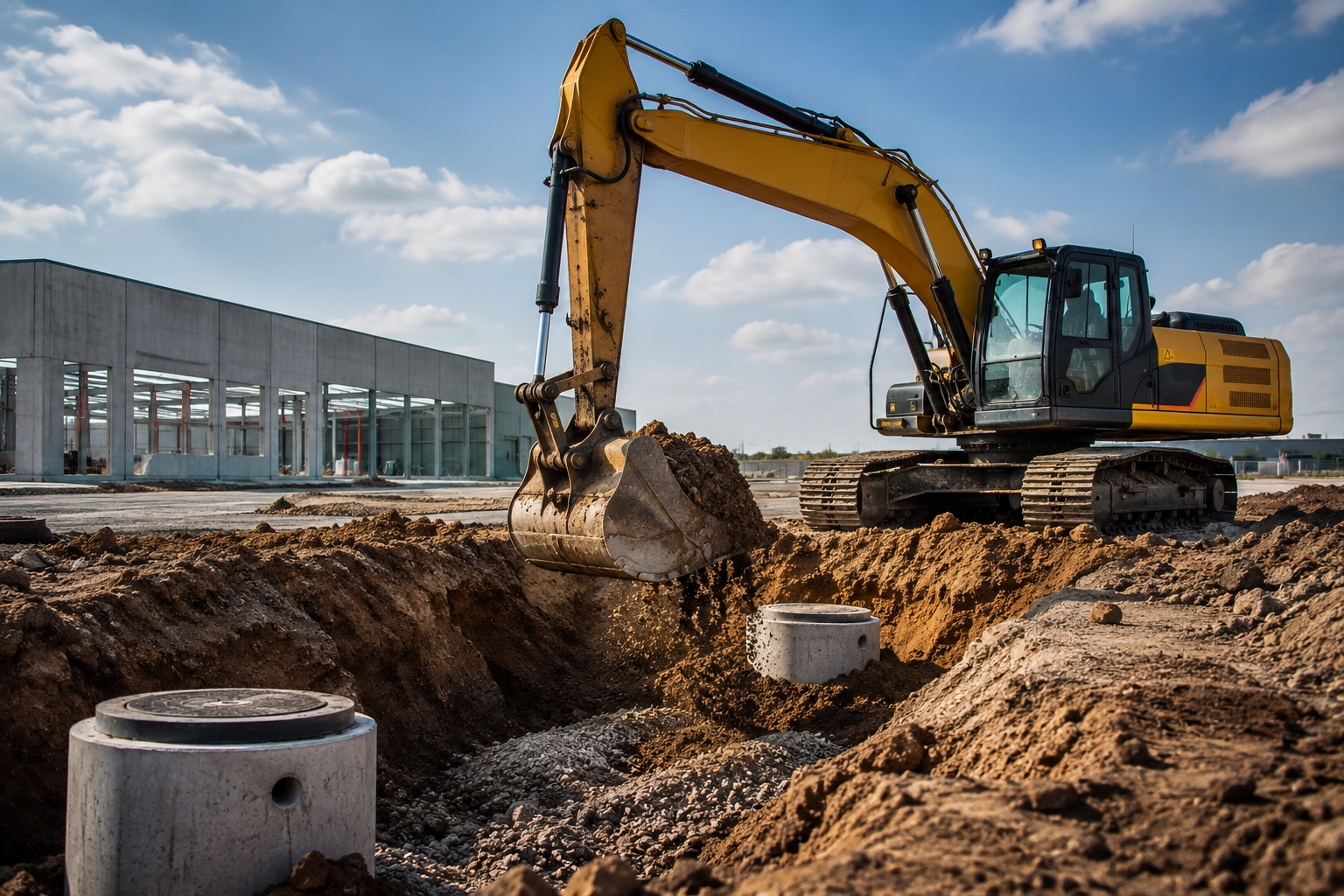
Before construction can begin, the land itself must be ready to support the project. Trees, brush, stumps, rocks, uneven ground, and leftover debris can interfere with excavation, drainage, utility installation, and foundation work. Professional land clearing services create a safer, cleaner, and more workable site so the next phase of construction can move forward efficiently. Whether you are planning a new home, commercial building, driveway, farm structure, or another improvement, careful preparation can prevent costly delays later. Understanding the land clearing process will help you plan your project, communicate with your contractor, and make informed decisions about the property. What Is Land Clearing? Land clearing is the process of removing vegetation and other obstacles from a designated area. Depending on the condition of the property and the planned construction, this may include removing trees, shrubs, undergrowth, stumps, roots, rocks, old materials, and miscellaneous debris. The goal is not simply to make the property look clean. Effective clearing prepares the site for the work that follows, such as grading, trenching, foundation excavation, road or driveway construction, stormwater management, and utility installation. The exact scope should be based on the site plan, soil and terrain conditions, access needs, and the amount of land required for construction. Why Proper Land Clearing Matters Before Construction A well-prepared construction site gives contractors room to work and helps reduce preventable problems. When trees, roots, stumps, and debris are not fully addressed, they may create unstable areas, interfere with equipment, or affect how water moves across the property. Professional land clearing can help: · Create safe access for excavators, trucks, and construction crews · Remove obstacles from the building footprint and work area · Prepare the property for accurate grading and drainage · Make room for foundations, utilities, roads, and driveways · Reduce delays caused by hidden roots, stumps, rocks, or debris · Protect trees, boundaries, and features that should remain Starting with a clear, stable work area also makes it easier for the excavation contractor and builder to coordinate each phase of the project. How to Prepare Your Property for Land Clearing 1. Confirm Your Construction Plans and Clearing Limits Before equipment arrives, identify the proposed building footprint, driveway, utility routes, drainage features, staging areas, and any additional space needed for construction access. Survey markers and clearly defined property boundaries help prevent confusion about where work should occur. Avoid clearing more land than the project requires. Selective clearing may preserve mature trees, natural buffers, privacy, shade, and erosion protection while still creating enough room for construction. 2. Identify Features That Must Be Protected Walk the property and point out anything that should remain undisturbed. This may include specific trees, fences, wells, septic components, streams, landscaping, neighboring property, historic features, or designated conservation areas. Mark protected areas clearly and review them with the land clearing contractor before work begins. 3. Locate Utilities and Site Infrastructure Existing underground and overhead utilities can affect where equipment operates and how the clearing plan is completed. Water lines, sewer or septic lines, electrical service, gas lines, communication lines, drainage pipes, and irrigation systems should be identified before excavation or stump removal begins. Your contractor can help determine what site information is needed before work starts. 4. Review Access for Heavy Equipment Land clearing often requires excavators, bulldozers, dump trucks, tree-removal equipment, or stump grinders. The contractor will need a practical way to enter and exit the site, along with enough room to maneuver and handle removed material. Narrow entrances, steep slopes, soft ground, overhead lines, bridges, and nearby structures may affect the equipment plan. 5. Discuss Debris Removal Trees, brush, stumps, and other materials must be managed after removal. Ask whether debris will be hauled away, recycled, processed into mulch, or handled another way based on project requirements and local regulations. Confirming the plan in advance helps keep the site organized and prevents piles of material from delaying construction. What Happens During the Land Clearing Process? Every property is different, but a typical professional land clearing project follows several core steps. Site inspection and planning: The contractor evaluates vegetation, terrain, access, potential obstacles, drainage concerns, and the construction area. This assessment helps determine the right equipment and approach. Tree and brush removal: Trees, shrubs, and undergrowth are removed from the approved clearing area. Selective clearing can be used when the owner wants to preserve specific trees or natural areas. Stump and root removal: Stumps and major root systems within the work area are removed or ground as appropriate. Addressing them is especially important where foundations, driveways, utilities, or finished grades are planned. Rock and obstacle removal: Rocky terrain is common in parts of the Shenandoah Valley. Rock breaking or additional excavation may be needed when large rock formations interfere with the site plan. Debris cleanup: Removed material is collected and handled according to the project plan, leaving a cleaner site for the next contractor or construction phase. Grading and site preparation: After clearing, grading may be used to establish proper elevations, improve drainage, and prepare a level or appropriately sloped base for construction. When Should Land Clearing Be Scheduled? Land clearing should be coordinated with the overall construction schedule, but it needs to happen before major grading, foundation excavation, trenching, and utility work. Timing can be affected by weather, soil moisture, permitting requirements, site access, vegetation density, and the amount of debris that must be removed. It is wise to contact an excavation contractor early in the planning process. A site visit can reveal conditions that may affect the budget or schedule, including steep terrain, limited access, large stumps, drainage concerns, or substantial rock. Why Hire a Professional Land Clearing Contractor? Land clearing involves more than cutting trees and pushing brush aside. Heavy equipment must be operated safely, the correct areas must be cleared, drainage and soil conditions must be considered, and the property must be left ready for future work. An experienced excavation contractor can evaluate the entire site instead of treating clearing as an isolated task. Hiring one contractor with capabilities in land clearing, grading, general excavation, foundation excavation, trenching, rock breaking, road building, and stormwater management can also improve coordination. When site conditions change, the team already understands the property and the construction goals. Land Clearing Services in Bridgewater and the Shenandoah Valley Shenandoah Valley Excavating LLC has served residential, commercial, and agricultural clients since 2006. As a family-owned and operated excavation company based in Bridgewater, Virginia, the team provides hands-on service and practical site solutions for properties throughout Rockingham County and Augusta County. Our land clearing services include site inspection, tree removal, brush clearing, stump removal, and debris cleanup. We also provide grading and other excavation services to help move your project from an overgrown or undeveloped property to a construction-ready site. Prepare Your Site for a Successful Construction Project The quality of a construction project begins below the finished structure. When your land is cleared carefully and prepared with the next phases in mind, contractors can work more efficiently and the site is better positioned for proper grading, drainage, excavation, and access. If you are planning construction in Bridgewater or elsewhere in Rockingham or Augusta County, contact Shenandoah Valley Excavating LLC to discuss your property. Call (540) 908-8151 to request a free estimate for professional land clearing and site preparation services. Frequently Asked Questions About Land Clearing How long does land clearing take? The timeline depends on the size of the clearing area, vegetation density, terrain, access, weather, and debris-removal needs. A site inspection provides the best basis for an accurate estimate. Can only part of a property be cleared? Yes. Selective clearing can remove vegetation from the construction and access areas while preserving designated trees, buffers, or other property features. Does land clearing include grading? Clearing and grading are related but distinct services. Clearing removes vegetation and obstacles; grading shapes and levels the ground. Many construction sites need both. What should I do before requesting an estimate? Gather any available surveys or site plans, identify the approximate construction area, note features you want protected, and consider how equipment will access the property. The contractor can review the remaining details during the site visit.
Every successful commercial construction project starts with a solid foundation—and that foundation begins long before concrete is poured or structures are built. Commercial excavation is one of the most critical phases of any development project, providing the groundwork necessary for safe, efficient, and long-lasting construction. Whether you're planning a retail center, office building, industrial facility, apartment complex, or municipal project, understanding the excavation process can help you make informed decisions and avoid costly delays. Here's what business owners should expect when working with a professional commercial excavation contractor. What Are Commercial Excavation Services? Commercial excavation involves preparing land for construction by moving soil, rock, and other materials to create a stable building site. The scope of work often extends beyond simple digging and includes a variety of site development services that support the entire construction process. Common commercial excavation services include: Site preparation Land clearing Grading and leveling Foundation excavation Utility trenching Drainage installation Stormwater management Road and parking lot preparation Erosion control Each project is unique, requiring a customized approach based on the property's size, soil conditions, topography, and intended use. The Importance of Proper Site Preparation One of the primary goals of commercial excavation is to create a stable and properly prepared site for construction. Poor site preparation can lead to long-term issues such as foundation settlement, drainage problems, structural damage, and costly repairs. Professional excavation contractors carefully evaluate the site before work begins, identifying potential challenges and developing a plan that supports the project's long-term success. A properly prepared site helps ensure: Structural stability Proper water drainage Compliance with local regulations Efficient construction timelines Reduced risk of future issues Investing in quality excavation work from the beginning can save significant time and money throughout the life of the project. Initial Site Evaluation and Planning Before excavation equipment arrives on-site, contractors conduct a thorough assessment of the property. This phase may include: Site Surveys Surveying helps determine property boundaries, elevations, and existing site conditions. Soil Analysis Understanding soil composition is essential for determining how the land will support structures and identifying any potential stability concerns. Utility Identification Existing underground utilities must be located before excavation begins to prevent service interruptions and safety hazards. Permitting and Compliance Commercial projects often require permits and must adhere to local, state, and environmental regulations. Experienced excavation contractors help ensure compliance throughout the process. Land Clearing and Demolition Many commercial sites require clearing before excavation can begin. This may involve removing: Trees and vegetation Existing structures Concrete surfaces Debris and obstacles Land clearing creates a clean workspace while allowing contractors to accurately prepare the site for grading and construction. Grading and Site Leveling Proper grading is one of the most important aspects of commercial excavation. Grading helps: Create level building pads Improve drainage Prevent standing water Reduce erosion Support roads and parking lots Even minor grading errors can lead to water management issues that impact the entire development. Professional excavation contractors use advanced equipment and grading techniques to achieve precise elevations and slopes. Utility Installation and Trenching Excavation contractors often install or prepare trenches for: Water lines Sewer systems Electrical conduits Gas lines Telecommunications infrastructure Stormwater systems Accurate trenching and utility placement help ensure reliable performance and regulatory compliance. Stormwater Management and Drainage Solutions Excavation contractors may install: Retention ponds Detention basins Culverts Stormwater piping Erosion control measures Effective stormwater management helps protect both the development and surrounding properties. Heavy Equipment and Modern Technology Commercial excavation projects rely on specialized equipment to complete work safely and efficiently. Common equipment includes: Excavators Bulldozers Loaders Graders Compactors Dump trucks Modern excavation companies also utilize GPS technology, laser grading systems, and advanced surveying tools to improve accuracy and productivity. What Business Owners Should Look for in an Excavation Contractor Choosing the right excavation contractor is one of the most important decisions a business owner can make during the development process. When evaluating contractors, consider: Experience Look for a company with experience handling commercial projects similar in size and complexity to yours. Equipment and Resources A well-equipped contractor can complete projects more efficiently and respond to unexpected challenges. Safety Practices Excavation work involves significant risks. Strong safety programs help protect workers, property, and project timelines. Communication Clear communication throughout the project helps business owners stay informed and avoid misunderstandings. Reputation A proven track record of successful projects demonstrates reliability and professionalism. The Value of Working with a Full-Service Excavation Contractor Many commercial developers benefit from partnering with a contractor that offers a comprehensive range of excavation and site development services. A full-service contractor can often streamline the project by managing multiple phases of site preparation, reducing coordination challenges and improving overall efficiency. This integrated approach helps keep projects on schedule while ensuring consistent quality throughout the development process. Partner with Shenandoah Valley Excavating for Your Commercial Project At Shenandoah Valley Excavating, we understand that successful commercial construction begins with expert site preparation. Our experienced team provides professional excavation, grading, utility installation, drainage solutions, and site development services tailored to the unique needs of each project. From initial site evaluation to final grading, we are committed to delivering safe, efficient, and reliable excavation solutions that help commercial developments move forward with confidence. Contact Shenandoah Valley Excavating today to discuss your upcoming project and learn how our commercial excavation services can help lay the groundwork for long-term success.
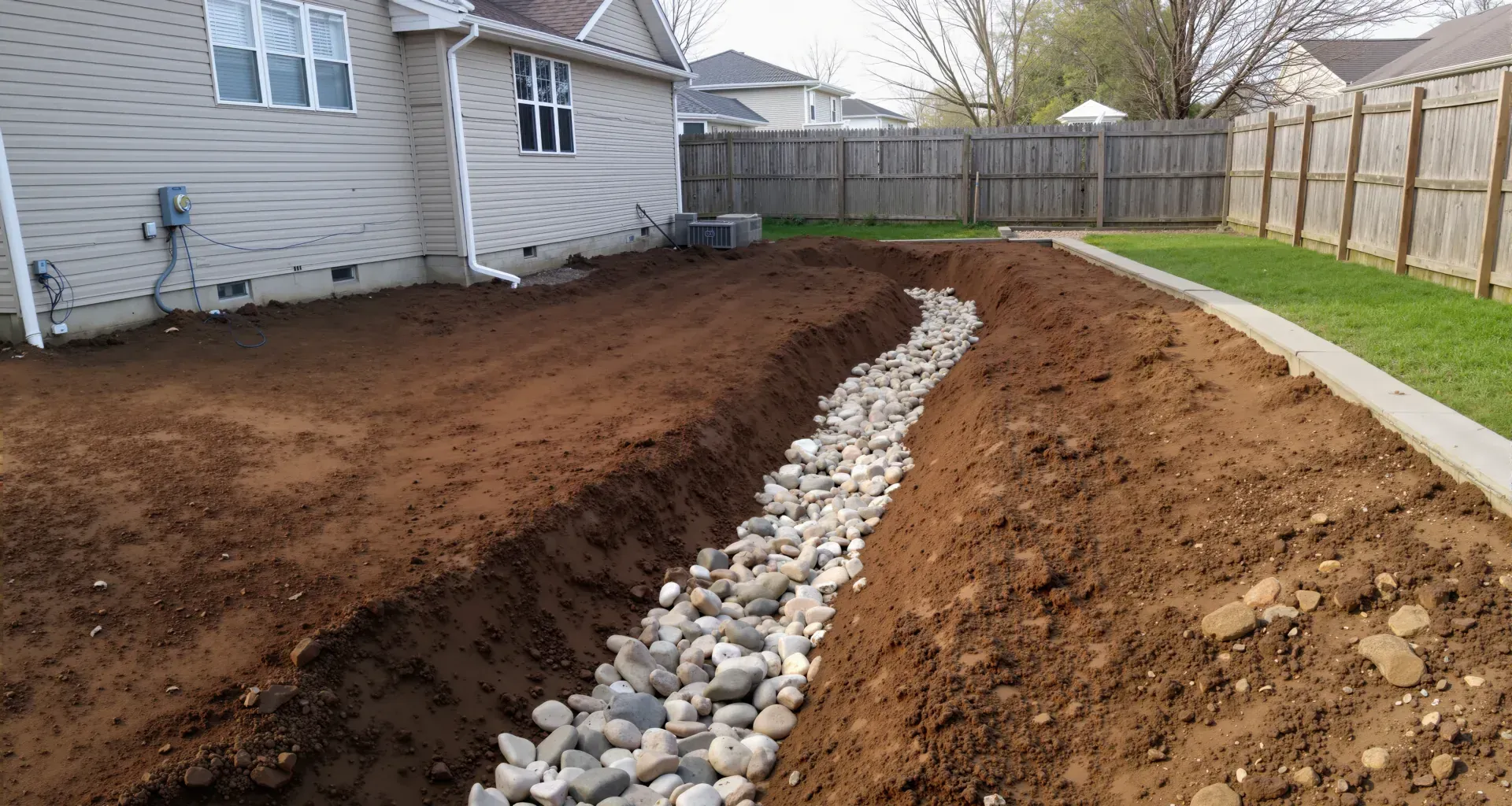
Prepare your property the right way with residential excavation services for foundations, grading, drainage, utilities, and construction readiness.
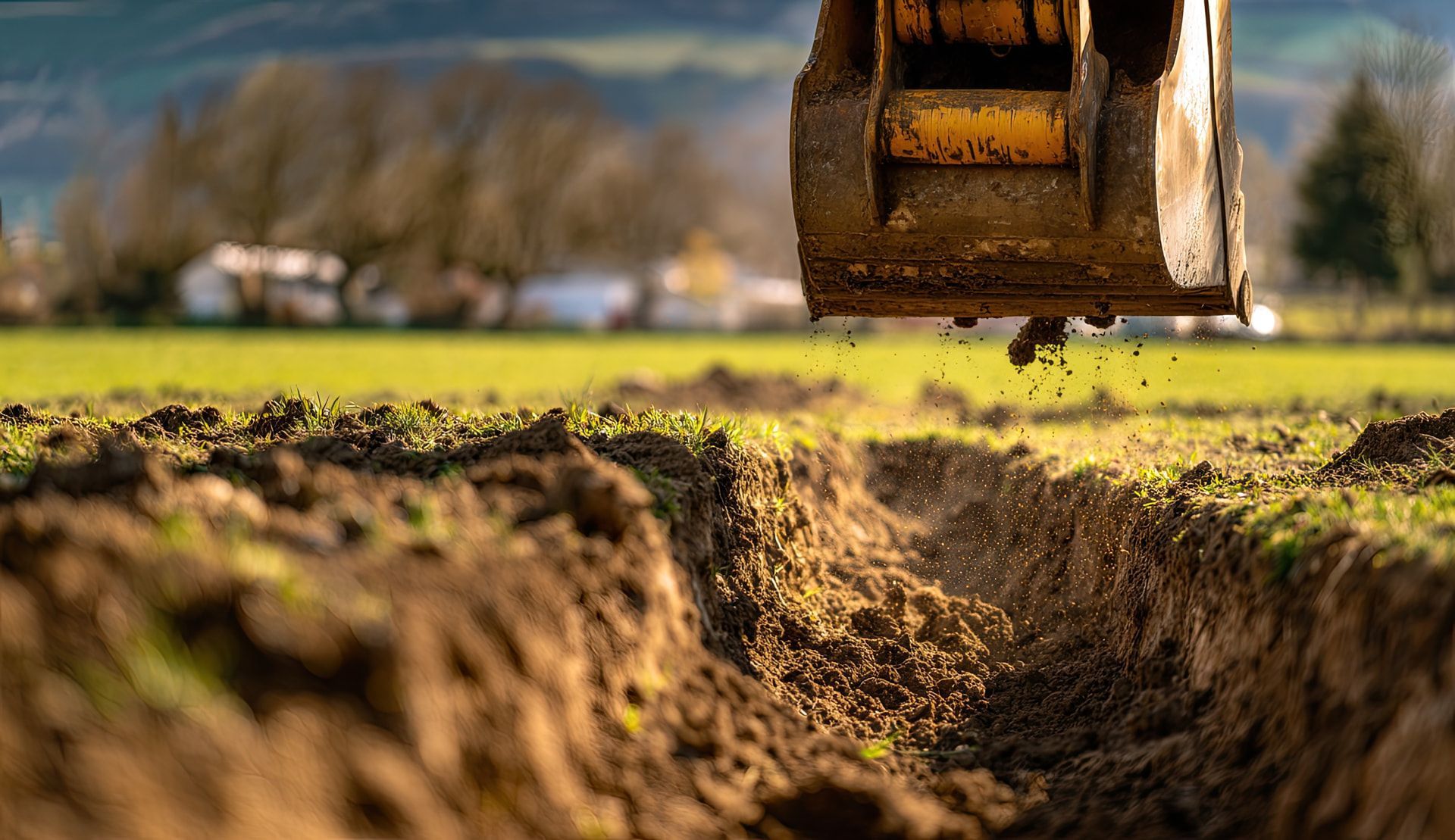
Learn how agricultural excavation services in Bridgewater, VA improve drainage, land prep, irrigation, and farm efficiency. Contact local experts today.
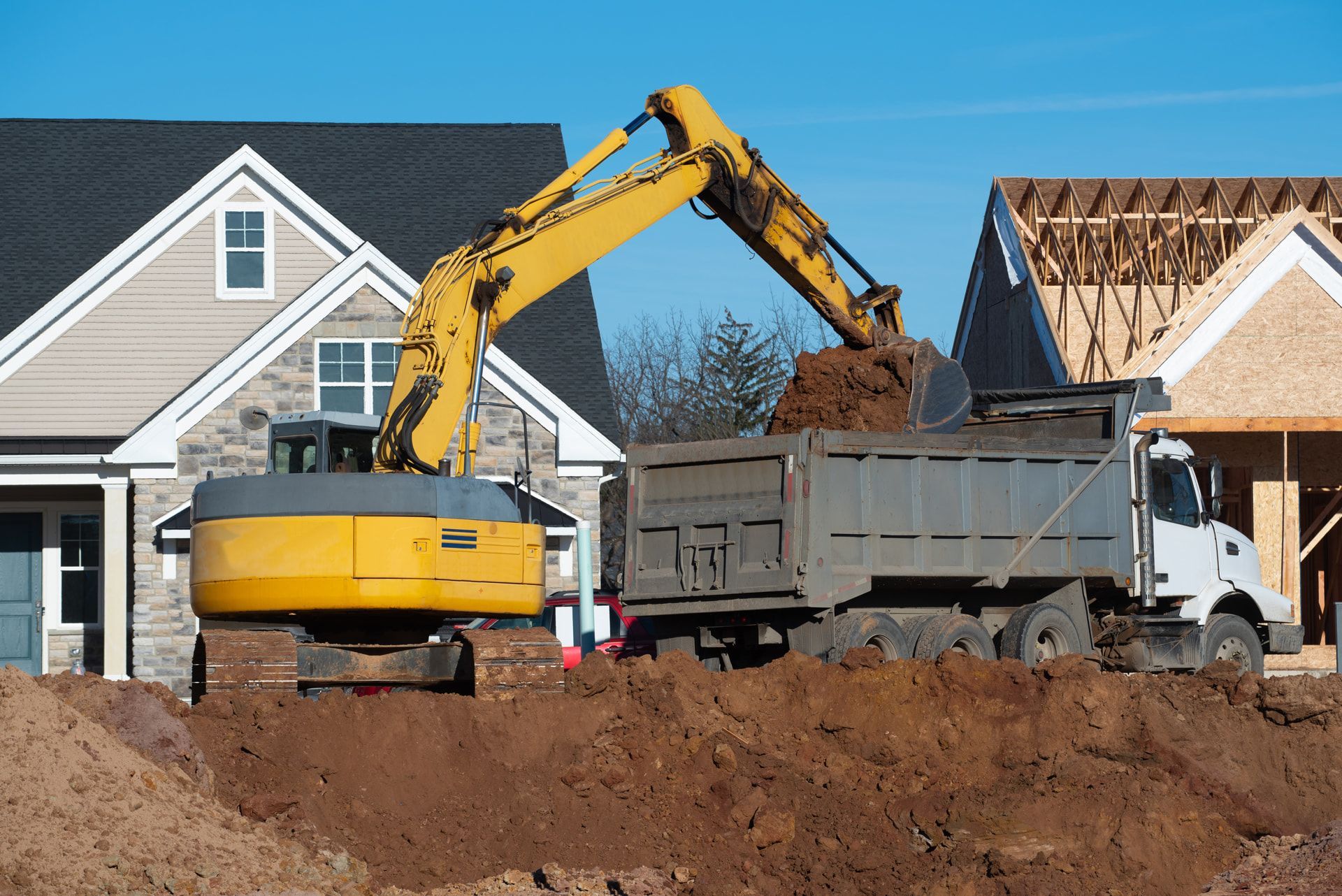
Learn the difference between residential and commercial excavation services and choose the right contractor for your project. Read the guide today.
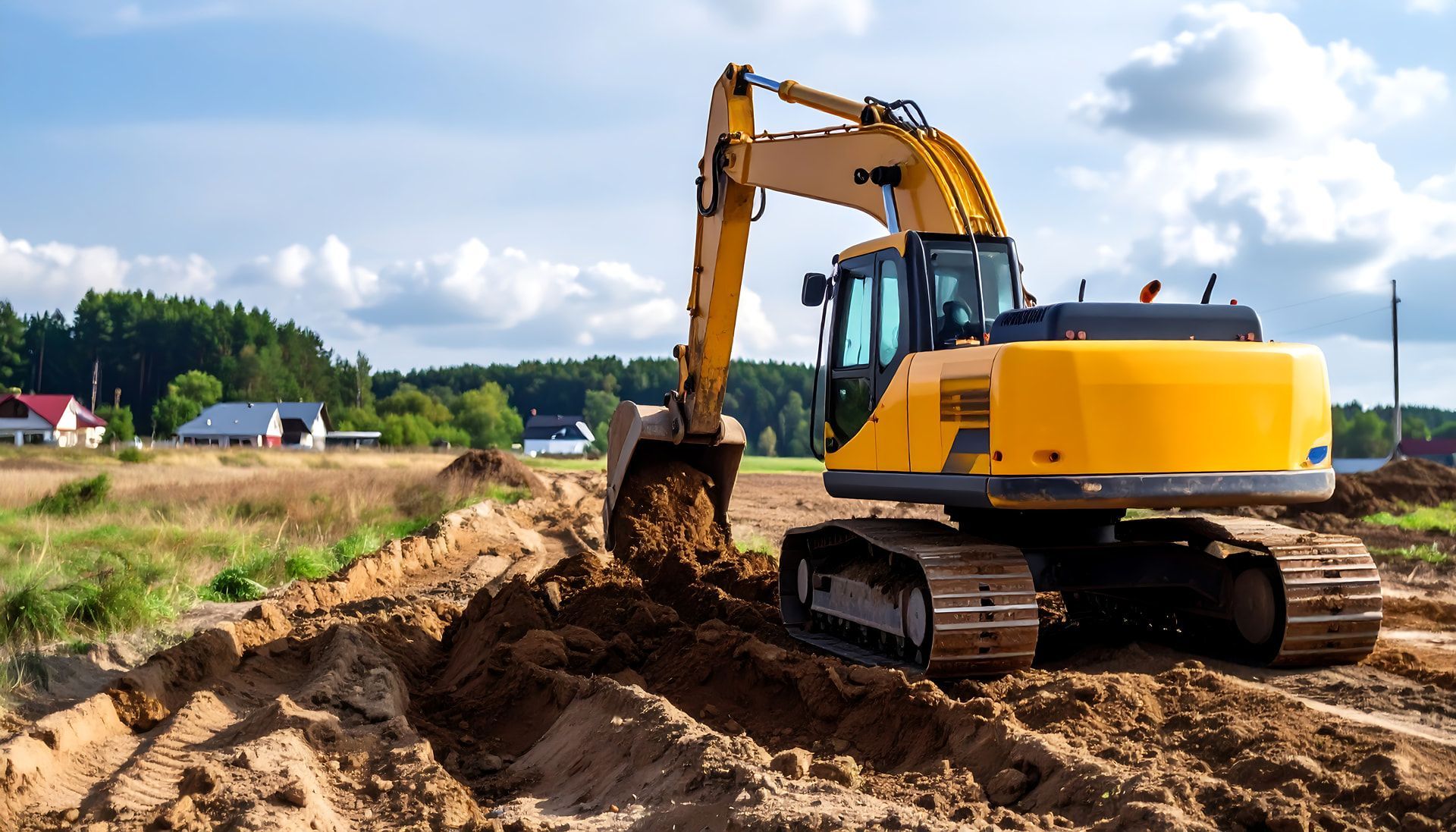
Professional agricultural excavation services in the Shenandoah Valley. Farm drainage, land clearing, grading, and road construction to support efficient farming operations.
Professional foundation excavation services in Bridgewater, VA. With 19+ years of experience, Shenandoah Valley Excavating delivers precise, code-compliant site preparation for residential and commercial projects.
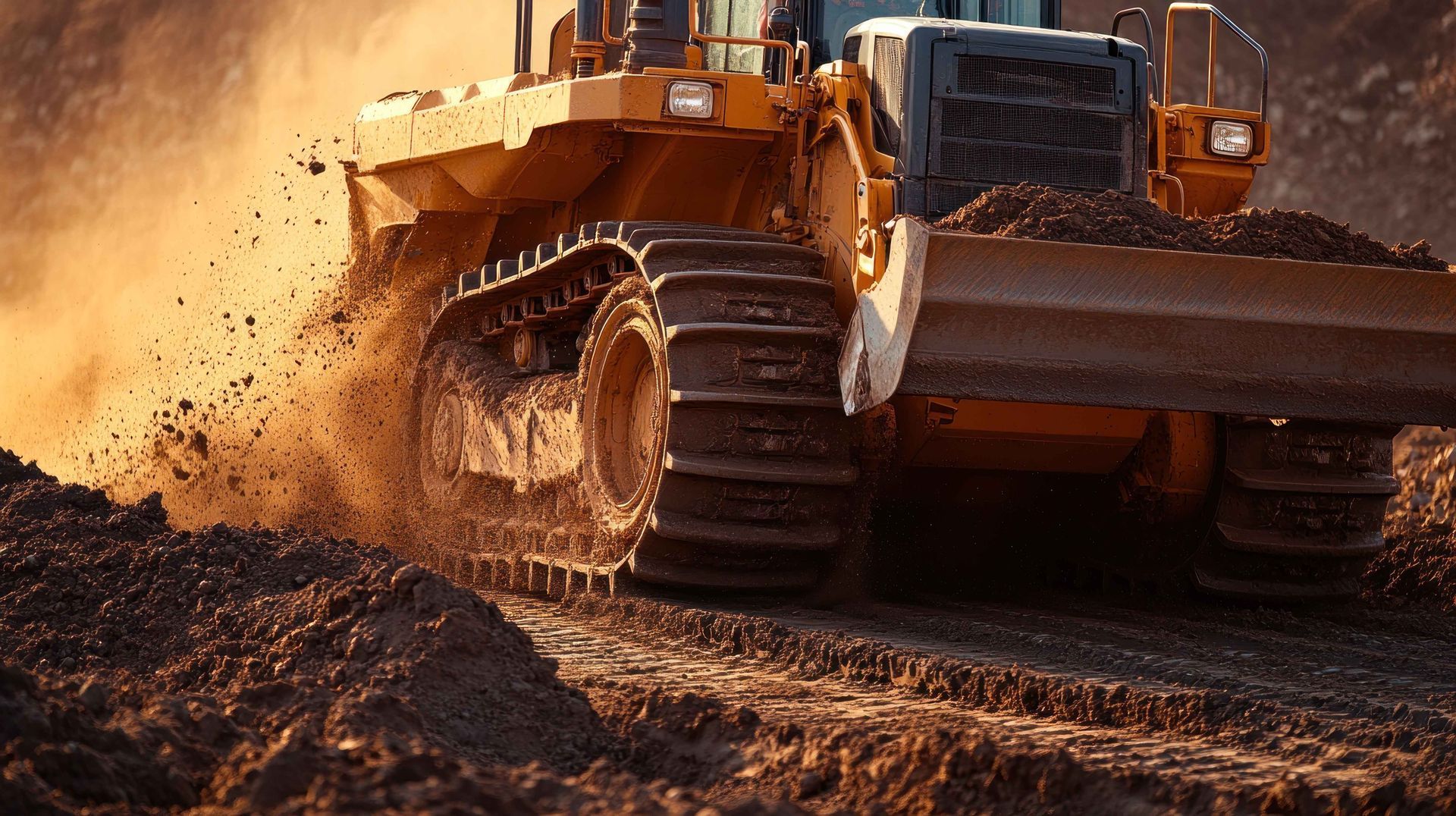
Learn why professional land clearing is essential before construction. Improve safety, prevent delays, prepare the foundation, and maximize usable space with expert site prep.
